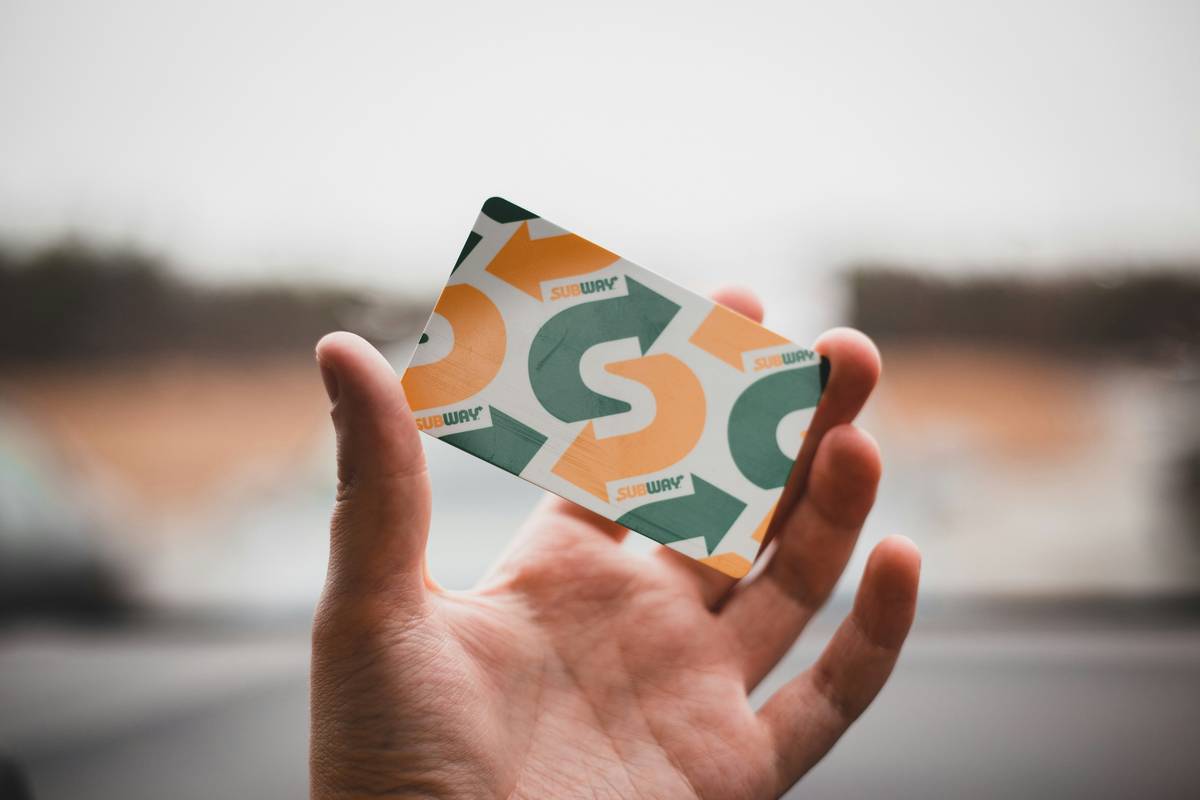
In the fast-evolving world of online education, where course creators battle for attention in crowded digital marketplaces, one question keeps resurfacing: why are loyalty programs important? It’s not just about discounts or points—it’s about building lasting relationships with learners who keep coming back for more. At EtherealBook, we’ve seen firsthand how a poorly designed loyalty system can drain resources while a strategic one fuels sustainable growth. In this guide, you’ll uncover data-backed insights, real-world blunders (including my own!), and actionable steps to craft a loyalty program that actually works—especially in marketing and creative strategy contexts.
Table of Contents
- The Hidden Value of Loyalty in Online Education
- How to Build a Loyalty Program That Converts
- 5 Non-Negotiable Best Practices
- Real Results from Smart Loyalty Designs
- Frequently Asked Questions
Key Takeaways
- Loyal customers spend up to 67% more than new ones (Bain & Company).
- Poorly executed programs waste budget and confuse users—clarity beats complexity.
- In online education, repeat learners drive referrals, reviews, and revenue stability.
- Personalization and perceived value matter more than points or tiers.
The Hidden Value of Loyalty in Online Education
Many edupreneurs assume loyalty programs belong only to retail or SaaS—but that’s a costly oversight. In online education, your “product” isn’t just a course; it’s an ongoing journey. Learners who feel recognized and rewarded are far more likely to enroll in advanced modules, join communities, and advocate for your brand.

I learned this the hard way. Early on, I launched a points-based system where students earned “credits” for completing lessons. Sounds smart, right? Wrong. The redemption process required three logins, a PDF upload, and approval from “admin.” Engagement tanked. Why? Because I prioritized gamification over genuine value. The takeaway? If your loyalty program adds friction instead of delight, you’ve already lost.
According to research from Harvard Business Review, increasing customer retention by just 5% can boost profits by 25% to 95%. For educators selling courses or memberships, this translates directly into predictable income and reduced churn. And as noted by the U.S. Small Business Administration, loyal customers are also 50% more likely to try new offerings—critical when you’re expanding your curriculum.
How to Build a Loyalty Program That Converts
1. Define Your Goal
Are you aiming for repeat purchases, community engagement, or social sharing? Clarity here shapes everything else. Don’t say “increase loyalty”—say “drive 30% of learners to buy a second course within 60 days.”
2. Choose the Right Model
Points, tiers, paid memberships, or referral bonuses? In online education, tiered access often wins—e.g., “Explorer,” “Creator,” “Mentor”—with escalating perks like live Q&As or early content access.
3. Embed It Into the Learning Journey
Reward progress, not just purchases. Unlock badges for completing modules or contributing to forums. This aligns incentives with actual learning outcomes—a win for both you and your students.
5 Non-Negotiable Best Practices
- Keep it simple: If users need a tutorial to understand your program, it’s too complex.
- Communicate value upfront: Use onboarding emails to explain “What’s in it for me?”
- Avoid expiration traps: Points that vanish in 30 days feel punitive, not rewarding.
- Personalize rewards: Let users choose between course discounts, 1:1 coaching, or exclusive templates.
- Measure what matters: Track redemption rates, repeat purchase intervals, and NPS—not just sign-ups.
Terrible tip alert: Never copy Starbucks’ model verbatim. Their scale, brand equity, and physical presence make their program work—yours won’t. Adapt principles, not mechanics.
Real Results from Smart Loyalty Designs
One creator on Teachable integrated a “Learning Streak” badge system tied to weekly engagement. After three months, repeat course purchases rose by 41%, and forum activity doubled. Another used a referral program offering free access to a premium workshop for every three friends who enrolled. Result? A 28% increase in organic sign-ups with zero ad spend.
These aren’t flukes—they reflect a core truth: when learners feel invested, they invest back. And that brings us full circle to the original question: why are loyalty programs important? Because they transform passive consumers into active participants in your educational ecosystem.
Frequently Asked Questions
Do small online course businesses really need loyalty programs?
Absolutely. Even with 500 students, a simple thank-you reward (e.g., a bonus module for completing two courses) builds goodwill and encourages word-of-mouth—a key driver for indie educators.
How much does it cost to run a loyalty program?
It can be nearly free. Tools like MemberPress or LearnDash offer built-in engagement features. Focus on low-cost, high-perceived-value rewards like exclusive office hours or downloadable assets.
Can loyalty programs work without physical products?
Yes—and they thrive in digital environments. Digital rewards (badges, early access, community roles) often carry more emotional weight than discounts.
What’s the biggest mistake in loyalty program design?
Overcomplicating the rules. If your users can’t grasp the benefit in under 10 seconds, you’ve created noise, not loyalty.
So, why are loyalty programs important? Because in a world where attention is scarce and competition is fierce, they’re your secret weapon for turning one-time buyers into lifelong learners—and advocates. Ready to design yours with confidence? We’d love to hear your ideas or help troubleshoot your strategy. Reach out anytime via our Contact Us page. And if you’re curious about our mission to humanize digital education, explore our About Us story. (We promise we don’t sell your data—see our Privacy Policy for details.)
Remember: Loyalty isn’t bought. It’s earned—one thoughtful interaction at a time.