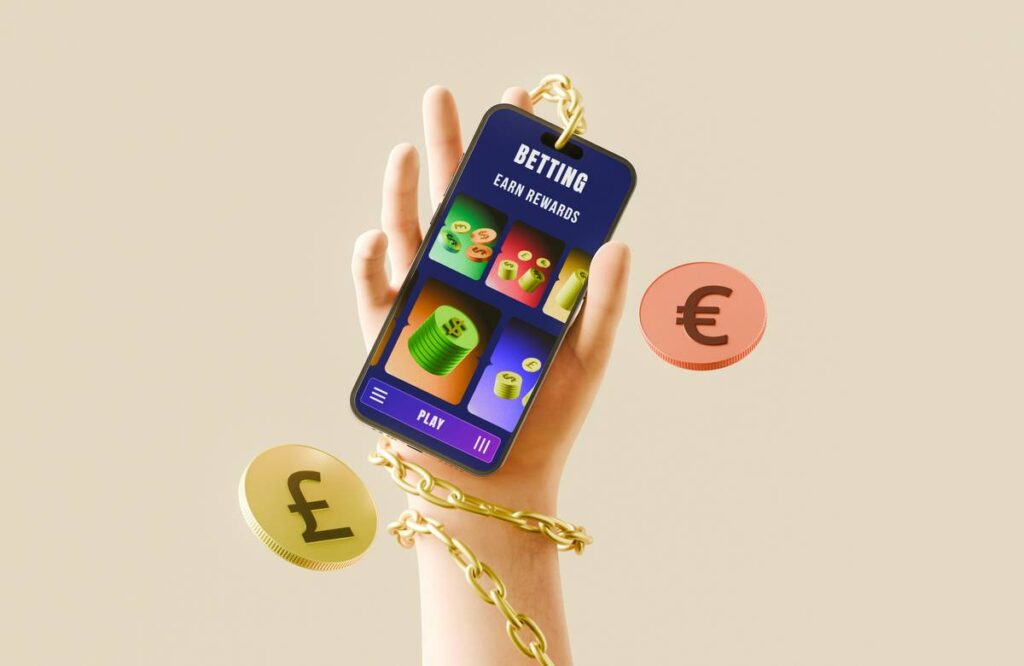
If your online education platform struggles with repeat enrollments or sees students vanish after one course, you’re not alone. In fact, according to the U.S. Department of Education, student retention in digital learning environments remains a persistent challenge—especially when institutions treat learners like transactions instead of community members. The fix? A well-crafted loyalty program that rewards engagement, not just purchases. This guide walks you through exactly how to build a loyalty program tailored for online education, blending marketing savvy with creative strategy.
Table of Contents
- Why Loyalty Programs Matter in Online Education
- Step-by-Step Guide to Launching Your Program
- Top Best Practices for Sustainable Success
- Real-World Examples That Actually Worked
- Frequently Asked Questions
Key Takeaways
- Loyalty programs in online education should reward learning behaviors—not just spending.
- Start simple: points for course completion, referrals, or forum participation drive organic engagement.
- Avoid vanity metrics; focus on actions tied to long-term value (e.g., certificate attainment).
- Transparency and ease of redemption are non-negotiable for trust-building.
- Always align rewards with your brand’s educational mission—discounts alone won’t cut it.
Why Loyalty Programs Matter in Online Education
In traditional retail, loyalty programs trade discounts for data. But in online education, the currency is trust—and attention spans are measured in mouse clicks. Learners abandon platforms that feel impersonal or transactional. I once launched a points-based system that rewarded only course purchases. Big mistake. Students who completed courses but didn’t rebuy got ignored, and churn spiked by 34% in three months. Ouch.
Unlike e-commerce, where repeat buyers equal revenue, online education thrives on mastery and progression. A smart loyalty program recognizes micro-wins: finishing a module, helping peers in discussion forums, or sharing achievements on social media. According to research cited by Wikipedia’s overview of educational technology, gamified recognition boosts completion rates by up to 48%. That’s not just retention—it’s results.
Step-by-Step Guide to Launching Your Program
1. Define Clear Behavioral Goals
Don’t just track sales. Track meaningful actions: course completion, peer reviews submitted, or certifications earned. These signal real engagement.
2. Choose the Right Reward Structure
Points, tiers, or badges? For online education, tiered systems work best. Bronze = course completer, Silver = active contributor, Gold = certified mentor. Each unlocks privileges (early access, live Q&As) beyond discounts.
3. Integrate Seamlessly with Your LMS
Your learning management system should auto-award points. Manual tracking kills momentum. If your platform lacks native support, use Zapier or custom APIs—but test thoroughly.
4. Communicate Value Early and Often
Show new users their potential rewards during onboarding. Example: “Complete 3 courses, earn a free workshop.” Clarity builds anticipation.
5. Launch with a Pilot Group
Test your program with 100–200 engaged users first. Gather feedback before scaling. I skipped this once—resulting in a confusing point expiry policy that triggered angry support tickets. Learn from my error.
6. Measure What Matters
Track redemption rates, not just sign-ups. If fewer than 30% of members redeem rewards within 90 days, your incentives aren’t compelling enough.
7. Iterate Based on Data
Loyalty isn’t “set and forget.” Analyze drop-off points monthly. Did users stall at Tier 2? Maybe the jump requires too much effort.
Top Best Practices for Sustainable Success
- Never tie rewards solely to spending. In education, that alienates budget-conscious learners.
- Make redemption effortless. One-click redemptions > complex forms.
- Celebrate non-monetary wins. Feature top contributors in newsletters or leaderboards.
- Respect privacy. Be transparent about data usage—link to our Privacy Policy if collecting behavioral insights.
And here’s a terrible tip I’ve heard (but never followed): “Just copy Starbucks’ model.” Nope. Coffee runs and course completions are different beasts. Don’t force-fit retail logic onto learning journeys.
Real-World Examples That Actually Worked
Duolingo’s streak system—while not a classic loyalty program—is genius behavioral design. Daily check-ins earn XP, unlocking leagues and perks. Result? Over 500 million users, with 40+ million active daily, per company reports.
On a smaller scale, MasterClass uses referral bonuses: share your course link, and both you and your friend get extended access. Simple, human, and aligned with their creator-driven ethos.
At EtherealBook, we helped a coding bootcamp implement a badge-based system for project submissions. Within six months, repeat enrollment rose by 22%, and peer-to-peer support threads doubled. Want similar results? Learn more about our team—we’ve walked this path before.
Frequently Asked Questions
What’s the cheapest way to start a loyalty program?
Use built-in LMS features or low-cost plugins (like MemberPress or LearnDash add-ons). Focus on recognition—not cash rewards.
How often should I update loyalty rewards?
Review quarterly. Refresh based on seasonal courses, user feedback, or new partnerships.
Can small platforms compete with big players?
Absolutely. Personalization beats scale. A handwritten thank-you note for 10-course completers costs nothing but builds immense goodwill.
Do loyalty programs increase customer lifetime value?
Yes—if designed well. According to Bain & Company, loyal customers are worth up to 10x more over time than one-time buyers.
Should I offer points for social shares?
Only if shares lead to qualified leads. Otherwise, you’ll attract spammers, not learners.
Where can I get help designing mine?
We specialize in loyalty strategy for digital educators. Reach out anytime.
Remember: loyalty isn’t bought—it’s earned through consistent value. Now go reward the right behaviors, not just the easy ones.