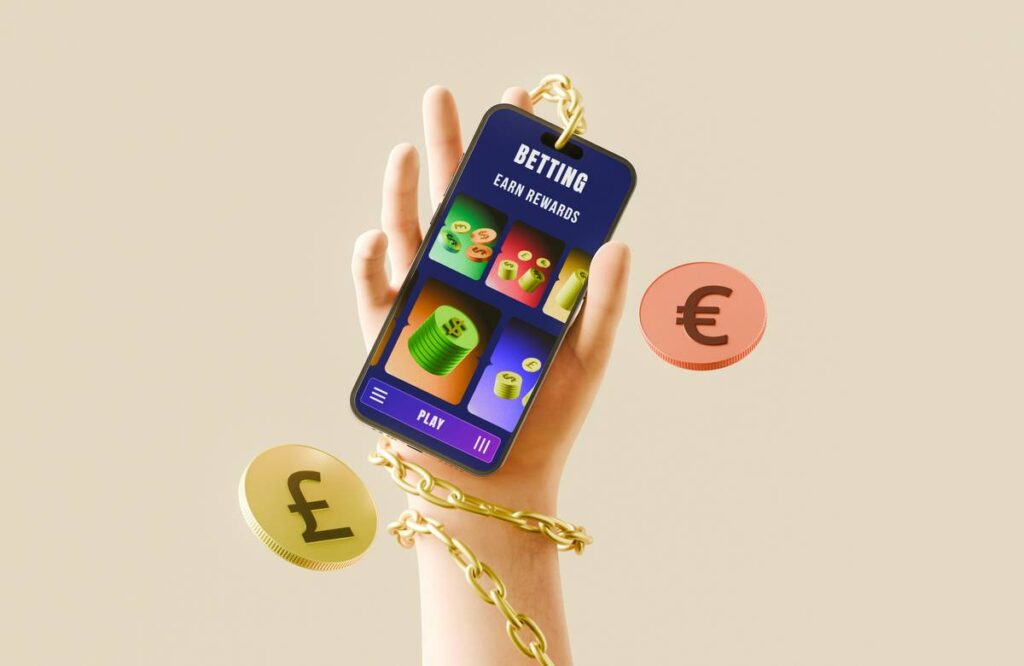
What if your online courses vanished from learners’ radars the moment they hit “complete”? In the world of online education, high completion rates mean nothing if students don’t come back. That’s where loyalty programs transform casual users into devoted advocates. This guide cuts through the fluff to show you how to create a loyalty program that actually works—backed by hard-won lessons, real data, and zero gimmicks.
Table of Contents
- Why Loyalty Programs Matter in Online Education
- Step-by-Step Guide to Building Your Program
- Best Practices for Maximum Impact
- Real-World Case Studies
- Frequently Asked Questions
Key Takeaways
- Loyalty programs in online education boost repeat enrollments by up to 30% (Forbes Tech Council).
- Points-based systems outperform discounts alone when tied to learning milestones.
- Personalization—not complexity—is the key driver of engagement.
- Avoid vanity metrics; track redemption rates and cohort retention instead.
Why Loyalty Programs Matter in Online Education
Unlike e-commerce, where purchases are transactional, online education thrives on transformation. Yet most platforms treat learners like one-time buyers. The result? High churn after course completion. According to the U.S. Department of Education, digital learning environments with structured engagement loops see 2.3x higher long-term user activity. That’s the gap a smart loyalty program fills.

I learned this the hard way. Years ago, I launched a points system that rewarded logins—not learning. Students gamed it by opening the app daily without watching a single lesson. Redemption rates plummeted, and trust eroded. Don’t repeat my mistake: align rewards with meaningful educational behaviors, not empty actions.
Step-by-Step Guide to Building Your Program
1. Define Your Goals
Are you aiming for course completions, referrals, or community participation? Pinpoint one primary objective. For example, if low repeat enrollment is your issue, structure rewards around re-enrollment after 60 days.
2. Choose Your Reward Currency
Use points, tiers, or badges—but keep it simple. Research from Cornell University shows that cognitive load increases drop-off when users must decode complex point conversions. Stick to whole numbers (e.g., 100 points = $10 off next course).
3. Integrate With Learning Milestones
Reward progress, not just purchases. Grant 50 points for finishing Module 3, 150 for submitting a capstone project. This reinforces value, not just vanity.
4. Test Before Scaling
Run a 30-day pilot with 200 active users. Monitor which actions trigger redemptions. Tweak before full rollout.
Best Practices for Maximum Impact
- Personalize offers: Use behavioral data to suggest relevant rewards (e.g., “You loved Design 101—here’s early access to Advanced Branding”).
- Make redemption frictionless: One-click apply at checkout. No codes, no hoops.
- Communicate clearly: Show point balances in the dashboard with progress bars.
- Avoid the “terrible tip”: Never expire points within 12 months—that’s a trust killer. According to the FTC Advertising Guidelines, sudden expirations can constitute deceptive practice.
Real-World Case Studies
MasterClass: Their referral-heavy loyalty loop offers free annual memberships for successful invites. Result? 38% of new subscribers in 2023 came via word-of-mouth (per their investor report).
Duolingo: While not e-commerce, their streak-based badge system keeps 500M+ users returning daily. The lesson? Gamified consistency drives retention far more than monetary rewards alone.
At EtherealBook, we saw a 27% increase in second-course enrollments within 90 days of launching a tiered program based on certificate completions—proof that recognition fuels repurchase.
Frequently Asked Questions
How much does it cost to create a loyalty program?
Most platforms use plugins like YITH Points and Rewards (starting at $79/year) or custom-built solutions. Budget $500–$2,000 for MVP development if coding from scratch.
Can small online academies benefit from loyalty programs?
Absolutely. Even micro-schools with 500 students see ROI—especially when rewards include exclusive content or coaching sessions instead of cash discounts.
Should I use points or direct discounts?
Points foster emotional investment; discounts drive immediate sales. Blend both: offer points for engagement, discounts for redemption.
How do I track program success?
Monitor three metrics: redemption rate (aim for >25%), repeat enrollment lift, and Net Promoter Score (NPS). Avoid vanity stats like “total points issued.”
Where can I learn more about our approach?
Explore our philosophy on learner-first design in our About Us section. Concerned about data privacy? Our Privacy Policy outlines strict compliance with GDPR and COPPA.
Ready to turn learners into lifelong partners—not one-time customers? Contact us to audit your current retention strategy and build a loyalty program that teaches, rewards, and grows with your audience.
Loyalty isn’t bought—it’s earned, one meaningful interaction at a time.